
The Importance of Wastewater Management

Environmental Impact of Untreated Wastewater
Untreated wastewater can have devastating effects on the environment. It contains high levels of pollutants such as pathogens, nutrients, and chemicals, which can contaminate water bodies and harm aquatic life. Additionally, the discharge of untreated wastewater can lead to the eutrophication of water bodies, causing excessive growth of algae and depleting oxygen levels, leading to the death of fish and other organisms.
To illustrate the environmental impact of untreated wastewater, consider the following:
- Studies have shown that the discharge of untreated wastewater into rivers and lakes can result in the loss of biodiversity and the destruction of aquatic ecosystems.
- The presence of untreated wastewater in coastal areas can lead to beach closures and the contamination of shellfish, posing risks to human health.
It is crucial to address the environmental impact of untreated wastewater through proper wastewater treatment and management practices.
Benefits of Proper Wastewater Treatment
Proper wastewater treatment offers numerous benefits for both the environment and human health. By treating wastewater before it is discharged, we can reduce the environmental impact of harmful pollutants and contaminants. This helps to protect our water bodies and ecosystems, ensuring their long-term health and sustainability.
In addition, proper wastewater treatment also plays a crucial role in protecting public health. By removing harmful pathogens and bacteria from wastewater, we can prevent the spread of waterborne diseases and illnesses. This is especially important in areas where wastewater is used for agricultural irrigation or recreational activities.
To summarize, the benefits of proper wastewater treatment include:
- Environmental protection: Reducing the impact of pollutants on water bodies and ecosystems.
- Public health: Preventing the spread of waterborne diseases.
- Sustainable water use: Reusing treated wastewater for agricultural or recreational purposes.
Sustainable Approaches to Wastewater Management
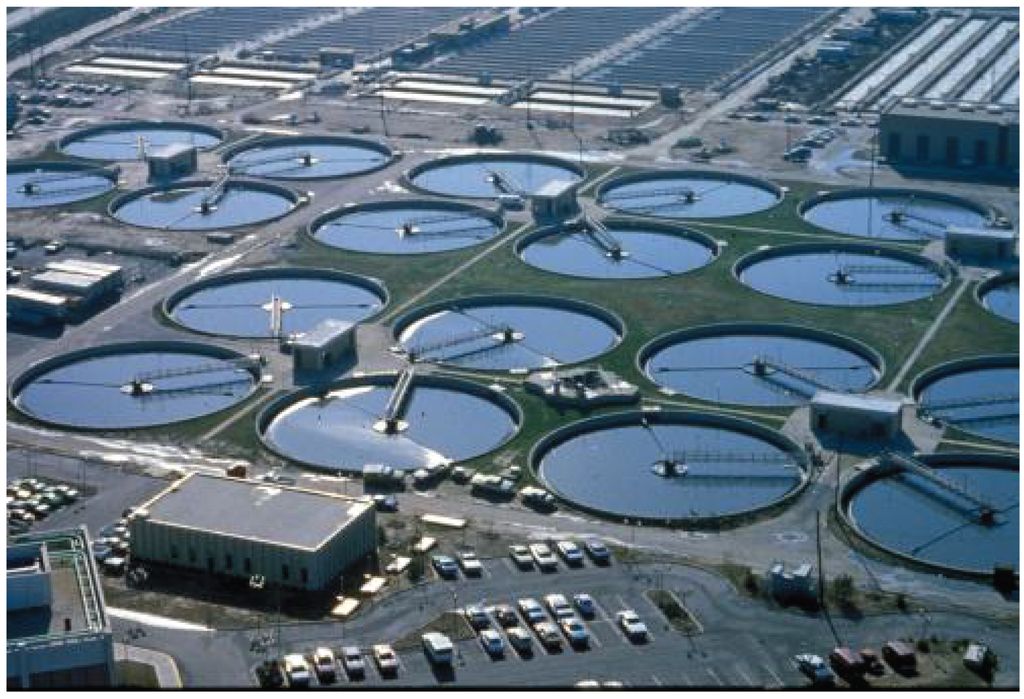
Water Reuse and Recycling
Water reuse and recycling is a sustainable approach to wastewater management that involves treating and reusing wastewater for various purposes. This approach helps to conserve water resources and reduce the demand for freshwater. By reusing wastewater, we can minimize the need for extracting and treating additional freshwater, which is especially beneficial in areas facing water scarcity.
Water reuse and recycling can be implemented through various methods and technologies, including:
- Greywater reuse: Greywater, which is wastewater generated from activities such as bathing and laundry, can be treated and reused for non-potable purposes like irrigation and toilet flushing.
- Industrial water reuse: Industries can treat and reuse wastewater generated from their processes, reducing their reliance on freshwater sources.
- Agricultural water reuse: Wastewater can be treated and used for agricultural irrigation, providing a sustainable water source for crop production.
Implementing water reuse and recycling practices requires proper treatment technologies, monitoring, and management to ensure the quality and safety of the reused water.
Tip: Implementing water reuse and recycling practices can contribute to water conservation and reduce the strain on freshwater sources, promoting a more sustainable approach to wastewater management.
Green Infrastructure for Wastewater Treatment
Green infrastructure refers to the use of natural systems and processes to manage stormwater and treat wastewater. It involves the integration of vegetation, soils, and other natural elements into the built environment to mimic the functions of natural ecosystems. This approach offers several benefits:
- Reduced stormwater runoff: Green infrastructure helps to capture and absorb rainwater, reducing the volume of stormwater runoff and alleviating the strain on traditional wastewater treatment systems.
- Improved water quality: Vegetation and soil in green infrastructure systems act as filters, removing pollutants and contaminants from wastewater, resulting in cleaner water.
- Enhanced biodiversity: Green infrastructure provides habitat for various plant and animal species, promoting biodiversity and supporting ecological balance.
In addition to these benefits, green infrastructure can also contribute to the overall aesthetics of urban areas, creating visually appealing and sustainable landscapes.
Tip: When implementing green infrastructure for wastewater treatment, it is important to consider the specific needs and characteristics of the local environment to ensure its effectiveness.
Sustainable Approaches to Wastewater Management is a crucial aspect of maintaining a healthy environment. At Jones Septic Tanks & Excavating LLC, we specialize in Oneonta septic tank installation and are committed to providing sustainable solutions for wastewater management. Our team of experts is well-versed in the latest techniques and technologies that ensure efficient and eco-friendly wastewater treatment. Whether you need a new septic tank installation or maintenance services, we have you covered. Contact us today to learn more about our services and how we can help you with your wastewater management needs.