If your home has a septic system, it relies on leach lines or a leach field to safely distribute wastewater into the soil. Understanding the signs of failing or failed leach lines can help you identify potential issues and manage replacement costs effectively.
Septic systems, known as onsite wastewater management systems, treat liquid waste or sewage to render it harmless. Water from sinks, showers, bathtubs (greywater), and toilet waste exits through the sewer pipe, moves underground to the septic tank, and undergoes treatment.
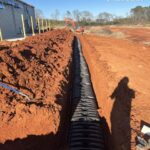
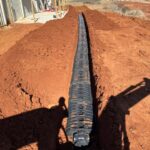
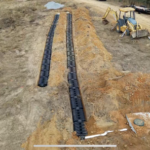
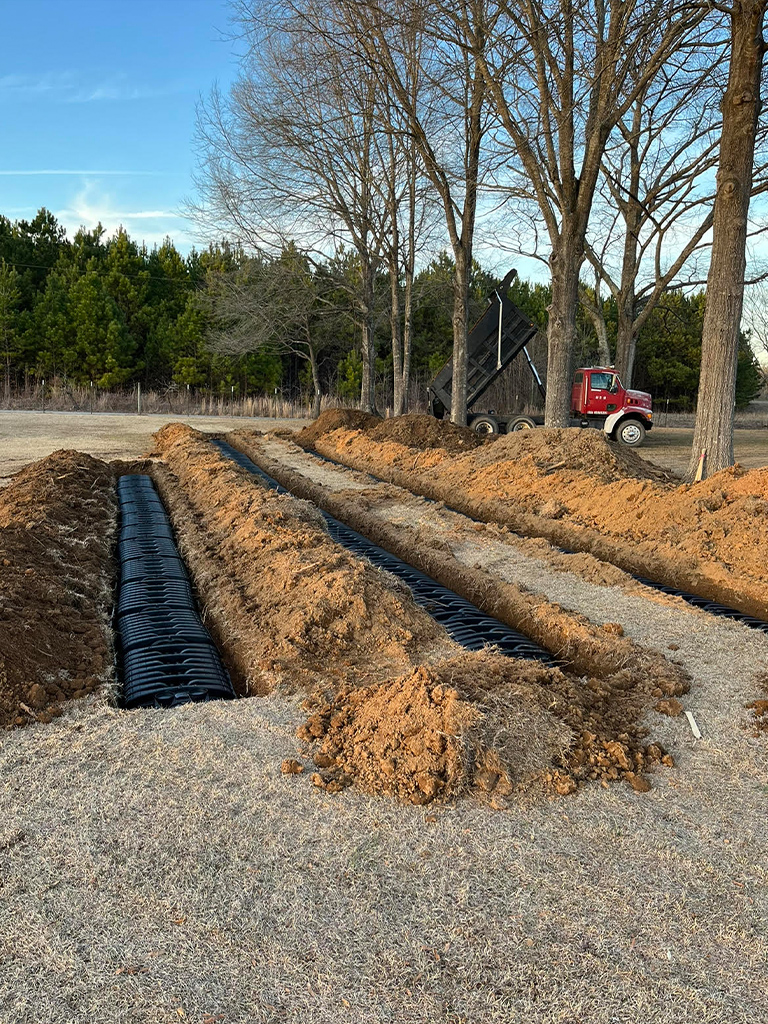
What Are Leach Lines? Leach lines, also referred to as leach fields, leach beds, filter beds, or percolation beds, disperse septic effluent into the ground after passing through the septic tank. These lines consist of perforated PVC pipes, sometimes covered with plastic septic chambers, and are surrounded by gravel and sand for proper percolation into the soil.
Identifying signs of leach line failure can help you pinpoint septic system issues. Look out for Increased plant growth or greener grass in certain areas of the yard Slower drains inside the house Frequent water backups Mushy yard or standing water Sewage odors inside or outside the house Gurgling sounds
Reasons for Leach Line Failure Improper septic tank management, excessive solid waste entering the leach lines, collapsed pipes or soil blockage can contribute to leach line failure. Over time, even with regular maintenance, microscopic debris accumulates, creating a sludge that impedes liquid flow.
Proper management and maintenance of leach lines ensure safety for residential and commercial use. Flooded leach lines can cause groundwater or surface water contamination and increased levels of greenhouse gases, particularly methane. Maintaining the proper functioning of leach lines minimizes these risks. If you suspect leach line issues or require replacement, it’s best to consult a professional septic system service provider to ensure a safe and efficient solution.